Website content theft has evolved from simple copying and pasting into automated website scrapers that create complete copies of websites within seconds of launch. Unauthorized use of your copyrighted articles, media or products on third-party websites violates your intellectual property rights and also costs you brand authority and organic search traffic.
You need a workable action plan to remove stolen content from other websites and search engines completely, ensuring effective protection of your digital assets. Fortunately, an official DMCA takedown process allows you, as a site owner, to legally assert your copyright over online material.
Step 1: Identify Unauthorized Content and Scraper Hosts
Before attempting to recover your material, you must understand how it is hosted online. Most scrapers use reverse proxy and cloud hosting services for their websites to make things a bit difficult.
- Audit Search Indexes: Search in Google and use
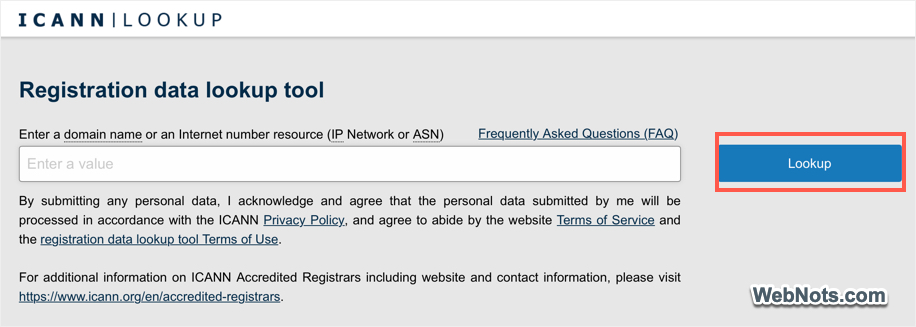
site:yoursite.comqueries to identify sites ranking for your headline content. - Trace the Hosting Provider: Trace the infringing site using domain, DNS and WHOIS lookup tools to identify the actual web host, not the proxy.
- Document Infringement: Save an image or a PDF of the offending page with timestamps and record the URL of the website.
Step 2: Gather Statutory Proof of Legal Ownership
Since incomplete removal requests are often disregarded, hosting companies may ignore them without processing. When properly documented, the following four components form a legally sufficient notice that requires the service provider to act expeditiously to preserve its safe harbor protection under the law.
| Required Element | Description | Practical Example |
|---|---|---|
| Original URL | Direct link confirming your previous publication date. | https://yoursite.com/original-article |
| Infringing URL | Precise location of the unauthorized copy. | https://othersite.com/stolen-article |
| Sworn Declaration | Good-faith statement under penalty of perjury. | Statutory 512(c)(3) legal compliance verbiage. |
| Agent Signature | Valid physical or verifiable electronic signature. | Digital signature of rights holder |
Step 3: Submit Search Engine De-Indexing Requests
Removing URLs that violate search engine rules from search results prevents scrapers from profiting off your traffic. This is necessary especially when they fail to respond or operate in jurisdictions that do not comply with copyright law. Submit targeted links directly through Google’s DMCA Dashboard using your Google Search Console account or through a paid service and make the complaint visible in the Lumen Database for public verification. De-indexing is usually completed within weeks, effectively blocking organic search traffic from reaching the stolen content.

Step 4: Execute the Direct Host Takedown Protocol
Contact the web hosting company or data center where the scraper server resides; this is the most likely path to permanent content deletion.
- Obtain the email address of the responsible department or person of the hosting company. You can generally search for “abuse” or “copyright reporting” section on their website to find the details.
- Compose a statutory notification letter that contains all relevant declarations and supporting evidence.
- Send the legal request to the abuse department’s email address or the automated DMCA protection endpoint.
- Monitor response windows to ensure that compliant hosts suspend the site at the host level within a week, preserving safe harbor immunity.
- If the scraper files a counter notification, you have to respond with the proof of ownership or legal action; otherwise, the hosting provider may restore the content.
Many site owners don’t believe this process works as scraper’s sites hide behind a proxy server. However, companies like Cloudflare take copyright infringement seriously. We have reported an abusive site to them with evidence and they took down the site promptly just in couple of weeks. By following a systematized takedown process, you can safeguard your valuable rankings and have stolen assets quickly removed from search engines worldwide.

Step 5: Build Strategic Defenses Against Automated Website Scrapers
Long-term content protection involves both technical safeguards and legal measures in case of infringement. Implementing dynamic anti-scraping safeguards can prevent bots from scraping your published content.
- First, apply a security and Web Application Firewall (WAF) to your site. This is easier with service providers like Cloudflare. Wordfence or Sucuri.
- Second, apply rate limiting to stop headless browsers from stealing your content.
- Finally, analyze your traffic and block IP addresses that belong to fake user-agents and malicious ASNs (Autonomous System Number).
In addition, you can apply dynamic watermarking to media files to protect your work.
Frequently Asked Questions (FAQ)
1. What should be included in a legal DMCA notice?
A valid notice should contain the following details. However, we recommend using the official Google’s DMCA removal request to make the process simpler. You can also use any third-party company that offers content removal service.
- Your name, address, and contact information.
- A description of the copyrighted work being infringed.
- The exact URLs of the unauthorized use.
- A statement under penalty of perjury that the use is unauthorized.
- A statement under penalty of perjury that you have the authority to assert the claim.
- Your electronic or physical signature.
2. How long does Google take to remove stolen content?
Google generally processes search removal requests within few weeks’ time when they are submitted through the official legal removal dashboard and include all necessary ownership details and infringing link paths.
3. Is it possible to file a takedown if the server is based outside the United States?
Yes. Most international hosting companies, domain registries, and cloud computing networks adhere to statutory notices of copyright infringement or maintain IP infringement policies for peering purposes.
4. What happens if the infringing website owner files a counter notice?
The service provider or Google will notify you if the allegedly infringing party sends a valid counter notification claiming mistake or misidentification. You can respond to them or file a legal action in federal court and notify the provider.
5. Will de-indexing the stolen URL help restore my rankings?
Possible, yes. De-indexing removes duplicate content penalties and search engine confusion, helping algorithms restore full ranking signals and organic traffic to your primary published website. Although this is not guaranteed, the original content will return back to appropriate ranking in most cases.
Conclusion: Digital Asset Defense Mastery
Protecting published digital intellectual property requires constant technical surveillance, immediate action and legal enforcement. By systematically identifying assets, submitting compliant removal notices, and preventing automated scraping networks from accessing your site through proactive server barriers, you can safeguard your brand’s integrity and search visibility.