Microsoft Windows is the most popular desktop operating system holding more than 70% market share worldwide. From its humble beginnings to its modern iterations, Windows has shaped how we interact with technology since its debut in 1985. Here are 10 fascinating facts about the Windows operating system that highlight its evolution, impact, and quirks.
1. Windows Wasn’t Microsoft’s First OS
Before Windows, Microsoft developed MS-DOS (Microsoft Disk Operating System), a command-line interface launched in 1981. Windows 1.0, released on November 20, 1985, was built as a graphical user interface (GUI) on top of MS-DOS to make computing more accessible. It wasn’t until Windows NT in 1993 that Microsoft created a fully independent operating system. Windows 11 still supports most of the MS-DOS commands (like DIR, CD, CLS, etc.) through Command Prompt.

2. The Name “Windows” Reflects Its Design
The name “Windows” comes from the operating system’s core feature: the ability to run multiple applications in resizable, overlapping windows. This was a revolutionary departure from the single-task interfaces of the time, inspired by early GUI systems like Xerox PARC’s Alto and Apple’s Lisa.
3. Windows 95 Was a Game-Changer
Released in 1995, Windows 95 introduced iconic features like the Start Menu, taskbar, and plug-and-play support. It sold over 40 million copies in its first year, cementing Microsoft’s dominance in the PC market. The launch was a cultural event, with people lining up at stores and The Rolling Stones’ song “Start Me Up” as its campaign anthem.
4. Windows Icons and UI Evolution
The evolution of Windows’ visual design is itself a fascinating story. From the pixelated icons of Windows 3.1 to the translucent “Aero” effects in Windows Vista, and the flat, modern look of Windows 10 and 11, Microsoft has continually reinvented its aesthetic.
5. Windows XP’s Background is a Real Photo
The default wallpaper for Windows XP, “Bliss,” is one of the most recognized images in the world. Taken by photographer Charles O’Rear in California’s Napa Valley, it’s a real photograph of a hill under a blue sky, not a digitally created image. Microsoft reportedly paid O’Rear a significant sum for its use.

6. Windows Has Powered Space Missions
Windows has been used by NASA and other space agencies. In 1998, the Space Shuttle program adopted laptops running Windows 95 for tasks like data analysis and crew communication. Later, Windows-based systems were used on the International Space Station, though Linux has since become more common in space applications.
7. Windows Once Had a 3D Pinball Game
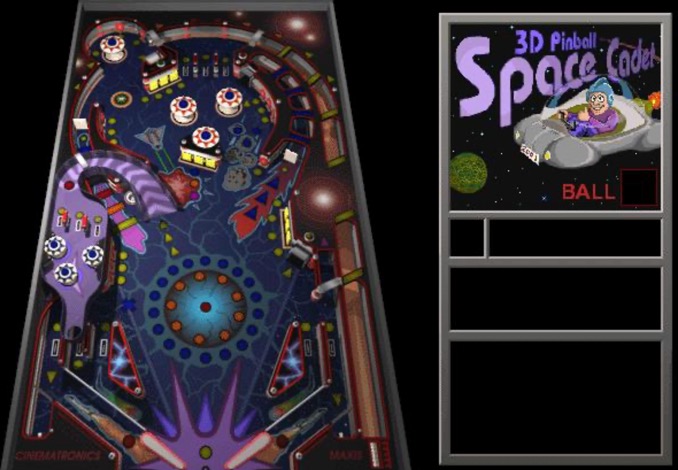
Windows XP included a hidden gem: 3D Pinball Space Cadet, a game originally developed as a demo for Microsoft’s gaming technology. It was bundled with Windows from Windows 95 Plus! to XP and became a nostalgic favorite for users killing time between tasks.
8. Once Windows 10 Was Nearly Free for All
In 2015, Microsoft offered Windows 10 as a free upgrade for users of Windows 7 and 8.1, a first in the company’s history. The goal was to unify the user base and accelerate adoption. By 2020, Windows 10 was running on over 1 billion devices, making it the most widely used version of Windows ever.
Microsoft also followed similar approach for upgrading Windows 10 to 11.
9. The Blue Screen of Death Has a Long History
The infamous Blue Screen of Death (BSOD) has been a hallmark of Windows crashes since the early days. In Windows 3.1, it was a black screen with white text, but it became the iconic blue in later versions. Windows 8 introduced a sad-face emoji on the BSOD, and Windows 11 added QR codes to help diagnose errors.

10. Windows 11 Embraces AI and Modern Design
Launched in 2021, Windows 11 introduced a sleek, rounded design and deep integration with AI features, like Copilot, Microsoft’s AI assistant. It also controversially required newer hardware with TPM 2.0 (Trusted Platform Module), leaving many older PCs unable to upgrade officially.
Conclusion
From its origins as a simple GUI to its current role as a powerhouse for gaming, productivity, and AI, Windows has left an indelible mark on technology. Its evolution reflects the rapid pace of innovation in computing, and its quirks like the BSOD and nostalgic games have made it a cultural icon.