On September 30, 2025, a significant chapter in internet history will close as AOL, once a titan of the early online world, discontinues its iconic dial-up internet service. For many, the screeching, buzzing sound of a dial-up modem connecting to the internet is a nostalgic hallmark of the 1990s and early 2000s, symbolizing the dawn of the digital age. After 34 years, AOL’s decision to end this service marks the end of an era for a technology that introduced millions of Americans to the internet. This article explores what dial-up internet is, AOL’s role in its rise, the reasons behind the shutdown, and its lingering impact.
What is Dial-Up Internet?
Dial-up internet refers to the process of accessing the internet through a modem connected to a conventional telephone line. Unlike modern broadband connections, which deliver high-speed internet via cable, fiber, or wireless signals, dial-up requires the modem to “dial” a phone number to establish a connection with an internet service provider (ISP). This process produces the distinctive high-pitched beeps, screeches, and whirs that became synonymous with early internet access. Once connected, data is transmitted at speeds up to 56 kilobits per second (kbps), a fraction of the megabits or gigabits per second offered by today’s broadband technologies.

Dial-up was revolutionary in the 1990s because it allowed households to access the internet without specialized infrastructure. However, it had significant limitations: it tied up the phone line, preventing calls during use, and its slow speeds made downloading large files or streaming media impractical. Despite these drawbacks, dial-up was a gateway to the online world for millions, offering access to email, chat rooms, and early websites.
AOL’s Dial-Up Legacy
America Online, founded in 1985 and later rebranded as AOL in 2006, was a pioneer in making the internet accessible to the masses.
- In 1991, AOL launched its dial-up service, which became a cultural phenomenon.
- In 1995, AOL had 10 million customers, and its influence extended into pop culture, inspiring references in films like You’ve Got Mail starring Tom Hanks and Meg Ryan.
- By 2000, the company boasted around 30 million subscribers, making it the largest ISP in the world at the time.
AOL’s dial-up service was more than just a connection; it offered a curated “walled garden” experience, providing email, instant messaging (via AIM), news, and chat rooms within a single platform. This simplicity made it appealing to new users navigating the complexities of the early internet. AOL’s user-friendly interface, iconic “You’ve Got Mail” notification, and free trial CDs (distributed ubiquitously in mailboxes, magazines, and stores) introduced countless Americans to the internet.
However, as broadband technologies like DSL, cable, and fiber optic connections emerged in the 2000s, dial-up’s limitations became glaring. AOL struggled to transition to broadband, and its disastrous 2001 merger with Time Warner, followed by a decline in subscribers, marked a turning point. By 2015, when Verizon acquired AOL for $4.4 billion, its dial-up user base had dwindled to 2.1 million. In 2021, AOL and Yahoo were sold to Apollo Global Management, becoming part of Yahoo! Inc. By 2021, AOL’s dial-up subscribers were estimated to be in the “low thousands.”
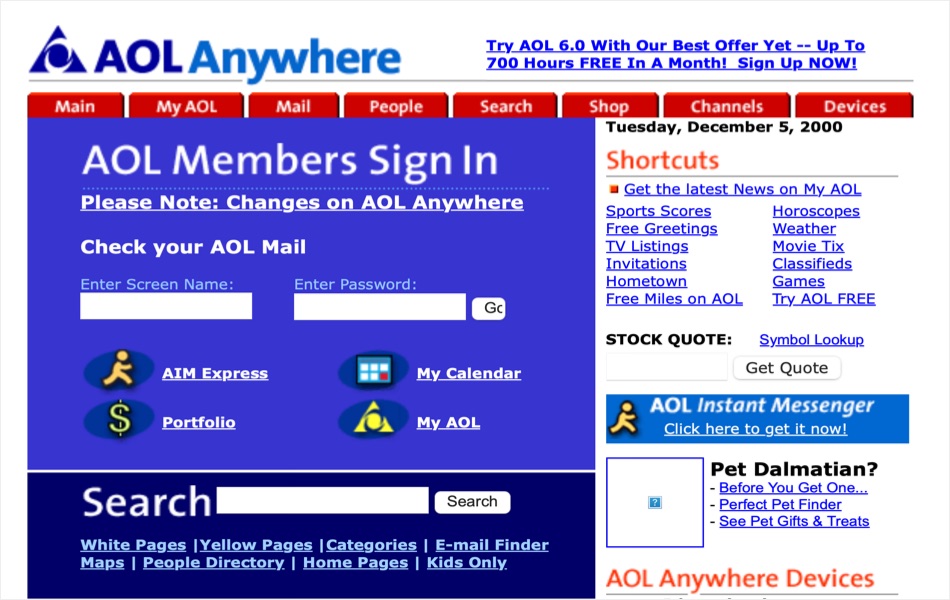
Why is AOL Shutting Down Dial-Up?
AOL announced the discontinuation of its dial-up service, along with associated software like the AOL Dialer and AOL Shield browser, in an undated support note on its website, stating: “AOL routinely evaluates its products and services and has decided to discontinue Dial-up Internet.” The shutdown, effective September 30, 2025, reflects the obsolescence of dial-up in an era dominated by high-speed broadband and wireless technologies.
Several factors contribute to this decision:
1. Declining User Base
The number of dial-up users has plummeted over the years. According to the U.S. Census Bureau’s 2023 American Community Survey, approximately 163,400 Americans still relied solely on dial-up, a tiny fraction compared to the 100 million using broadband (cable, fiber, or DSL). AOL’s own estimates suggest its dial-up subscribers are now in the low thousands, making the service financially unsustainable.
2. Technological Obsolescence
Dial-up’s maximum speed of 56 kbps is woefully inadequate for modern internet demands, such as streaming, video calls, or large downloads. Broadband and wireless options, including 5G and satellite services like Starlink, offer vastly superior performance. Additionally, dial-up is expensive relative to its capabilities and vulnerable to security risks, making it a less viable option.
3. Shifting Business Focus
AOL, now a Yahoo subsidiary, has pivoted to other revenue streams, such as tech support, digital security services, and web portal content aggregation. The company no longer relies on dial-up as a core offering, and discontinuing it allows AOL to streamline operations. The shutdown does not affect other AOL services, such as free email accounts.
4. Rural Access Challenges
While dial-up persists in rural areas where broadband is unavailable, the expansion of broadband infrastructure has reduced this need. Alternatives like satellite internet and fixed wireless are increasingly available, though often more expensive. AOL’s decision may force remaining users to seek these alternatives or risk losing internet access entirely.
Impact of the Shutdown
The discontinuation of AOL’s dial-up service affects a small but significant group of users, primarily in rural or low-income areas where broadband is either unavailable or unaffordable. In 2023, about 1% of U.S. households with internet subscriptions used dial-up exclusively, often as a last resort for essential online tasks like email or banking. These users will need to transition to alternatives like DSL, cable, fiber, wireless, or satellite internet by September 30, 2025. For some, particularly in remote regions, options like Starlink may be costly, and the loss of dial-up could exacerbate the digital divide.
Looking Ahead
AOL’s dial-up shutdown is a reminder of how far internet technology has come since the 1990s. While the service’s demise is unsurprising given the dominance of broadband, it underscores ongoing challenges in ensuring universal internet access. For the remaining dial-up users, the transition to modern alternatives may be daunting, particularly in underserved areas. Meanwhile, AOL’s legacy as an internet pioneer endures, even as it retires the technology that defined its rise.
As we bid farewell to the screeching modems and AOL’s once-ubiquitous presence, the internet continues to evolve, leaving behind relics of its past while opening new possibilities for connectivity. For those still using dial-up, the clock is ticking to find a new way to stay online by September 30, 2025.