
Even casual internet users have likely heard about torrents, most often associated with illegally downloading movies, music, games, or software. While it’s true that torrenting is often misused for piracy, this reputation doesn’t paint the full picture. So, what exactly is torrenting? How does it work? And if you choose to use it responsibly, what precautions should you take to stay safe? This guide breaks down everything you need to know about torrenting from its legitimate uses to the cybersecurity risks that come with it.
What is Torrenting and How Does it Work?
Let’s say you want to download a large program, such as a new Linux distribution or a massive open-source dataset. The usual way would be to visit the official website and click the download button. This starts a direct connection between your computer and the hosting server, using that single server’s resources to send the file to your system.
However, the same file might also be available as a torrent. In that case, instead of downloading from one central server, you download tiny pieces of the file from many other users around the world who already have it. To do this, you’ll need two things:
- A torrent client, like qBittorrent, Transmission, or BitTorrent.
- A torrent file or magnet link, which tells the client where to find peers who are sharing the same file.
When you open the torrent in your client, it connects you to a peer-to-peer (P2P) network (a decentralized web of users called peers). These peers share bits and pieces of the same file. As you download (or “leech”) the file, your client simultaneously uploads (or “seeds”) the parts you’ve already downloaded to others. This is the BitTorrent protocol, which is a legitimate, efficient, and even revolutionary way of sharing data online.
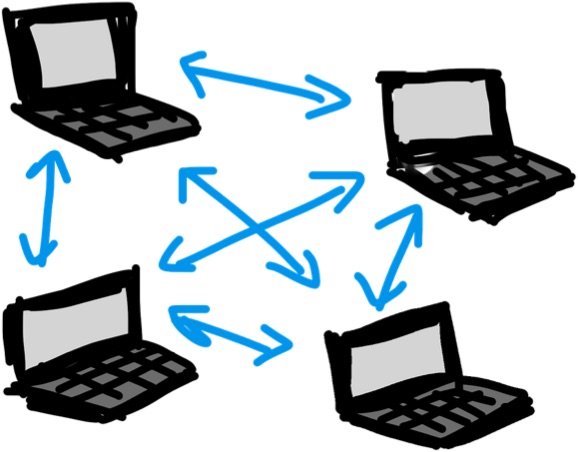
This distributed approach has several benefits:
- Efficiency: Multiple users contribute bandwidth, which can make downloads faster than traditional single-server methods.
- Reliability: If the main server goes offline, the file remains accessible through peers.
- Flexibility: Torrents are downloaded in small fragments, allowing you to pause, close your client, and resume the download anytime without losing progress.
This decentralized structure is what makes torrenting powerful but it also opens the door to certain risks if not used wisely.
Legitimate Uses of Torrenting
Although many associate torrents with piracy, torrenting itself is not illegal. It’s simply a file sharing technology, and there are plenty of legitimate uses:
- Open-Source Software: Many developers, including the creators of Linux distributions like Ubuntu or Fedora, distribute their software through torrents to reduce server strain.
- Public Domain Media: Classic films, books, and music that are no longer under copyright are often shared freely via torrents.
- Large Data Sharing: Researchers and organizations use torrents to distribute huge datasets, such as climate data or astronomical images, efficiently across the world.
- Game Patches and Mods: Some gaming communities use torrents to distribute fan-made modifications or updates that are legally shareable.
In short, torrenting is a neutral tool much like email or cloud storage and its legality depends on how you use it.
The Risks of Torrenting
Unfortunately, the same qualities that make torrenting efficient also make it vulnerable to abuse and exploitation. Here are the main risks you should be aware of:
Legal Consequences
In many countries, downloading or sharing copyrighted material without permission is a serious offense. Some Internet Service Providers (ISPs) monitor torrent traffic and cooperate with copyright holders to take legal action.
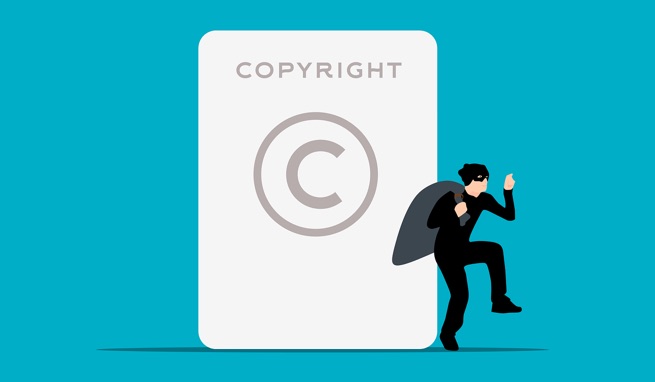
For example, Germany is known for having strict anti-piracy enforcement. Users caught downloading copyrighted movies or software can face hefty fines and legal fees. Even if you only downloaded part of a copyrighted file, you could still be held liable because torrenting automatically uploads fragments to others.
Malware and Viruses
Torrents can also serve as a gateway for malware. Cybercriminals often disguise malicious software as “cracked” versions of popular games, movies, or productivity apps. These files might contain:
- Ransomware that locks your data and demands payment.
- Spyware that monitors your activity.
- Trojan horses that give attackers remote access to your system.
Even non-executable files like videos or PDFs can contain embedded threats or malicious scripts. Because torrents come from many sources, verifying their authenticity can be tricky.
Privacy and Data Exposure
Every time you connect to a torrent network, your IP address becomes visible to everyone else downloading the same file. This means anyone, including advertisers, hackers, or monitoring agencies, can potentially see your location and activity patterns.
How to Torrent Safely?
Torrenting can be safe when done legally and responsibly. The key lies in being cautious, informed, and security-conscious.
Use Only Legitimate Sources
Stick to trustworthy torrent sites that specialize in open-source or legal content. Examples include:
- Internet Archive (archive.org) for public domain media.
- Linux Tracker (linuxtracker.org) for open-source software.
- Public Domain Torrents for classic films.
Always check the comments and ratings for a torrent before downloading. User feedback often flags malicious or fake files quickly.
Protect Your Privacy with a VPN
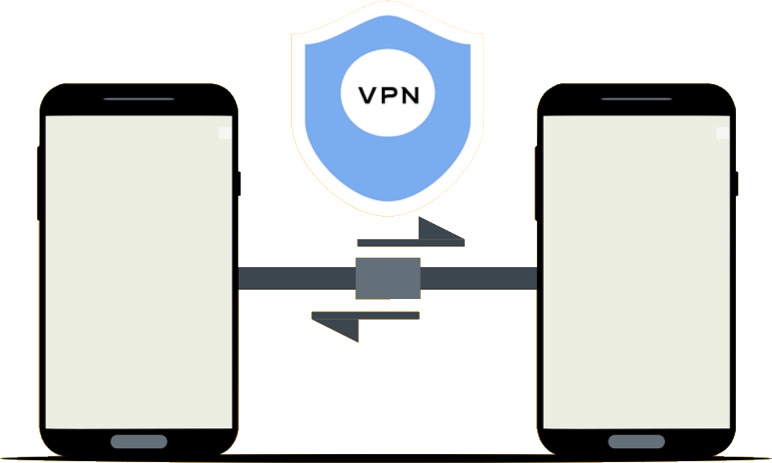
Since your IP address is exposed while torrenting, using a Virtual Private Network (VPN) is highly recommended. Look for a WireGuard VPN (which uses WireGuard protocol) to hide your IP address and protect your data with strong encryption. At any cost, avoid a free VPN as they may log your data or inject ads.
Avoid Public Torrent Trackers
Torrent trackers are websites that store information about peers sharing specific files. While they help connect users, public trackers are notorious for hosting malicious ads and fake torrents. Stick to private or verified trackers that require registration and moderate uploads.
Stay Alert Against Social Engineering
Cybercriminals may use torrent sites to trick users into revealing personal details. Be wary of pop-ups or messages asking for login credentials, email addresses, or payment info. Such scams can lead to phishing attacks or identity theft.
Use a Password Manager
A password manager app makes creating and storing credentials easier and safer. It can also autofill logins only on legitimate websites, reducing the risk of credential theft through fake torrent pages.
Keep Your System Updated
Make sure your operating system, antivirus software, and torrent client are regularly updated. Security patches close vulnerabilities that hackers could exploit.
Final Words
Torrenting isn’t inherently illegal or dangerous, it’s a powerful technology designed to make file sharing faster and more efficient. However, because it relies on open peer-to-peer connections, it also comes with serious risks if used carelessly. If you choose to torrent, always:
- Stick to legal and open-source content.
- Use a reliable VPN to protect your privacy.
- Avoid suspicious links and unknown sources.
- Keep your devices secure and your credentials protected.
When done right, torrenting can be an ethical, safe, and effective way to share information and resources across the world.


