
AI startup Perplexity has extended a $34.5 billion unsolicited all-cash offer to acquire Google’s Chrome browser from its parent company, Alphabet. This bid reported by WSJ comes at a pivotal moment as Google faces mounting antitrust pressure from U.S. regulators, who may force the tech giant to divest assets to address its dominance in online search and advertising. While Chrome isn’t officially on the market for sale, Perplexity’s proposal positions the company as a proactive buyer, aiming to reshape the browser landscape amid the rise of AI-driven web experiences. But why would a relatively young startup, valued at around $18 billion, make such an ambitious play? Below, we explore the strategic motivations behind the offer, including how it ties into Perplexity’s own innovative browser, Comet.

Antitrust Remedy and Regulatory Opportunity
The timing of Perplexity’s bid is no coincidence. In 2024, a U.S. federal judge ruled that Google had illegally maintained a monopoly in online search through exclusive agreements and practices that stifled competition. As part of the ongoing remedies phase, the Department of Justice (DOJ) has pushed for structural changes, including the potential sale of Chrome to weaken Google’s grip on search access points. A decision from Judge Amit Mehta is expected later this month, and Perplexity’s offer is framed explicitly as a solution to these antitrust concerns.
The company pledges to keep Chrome’s underlying Chromium code open-source, invest $3 billion over two years in improvements to reliability, performance, and security, and retain Google as the default search engine allowing users to change it via settings. This approach aims to preserve user experience while addressing regulators’ demands for more competition.
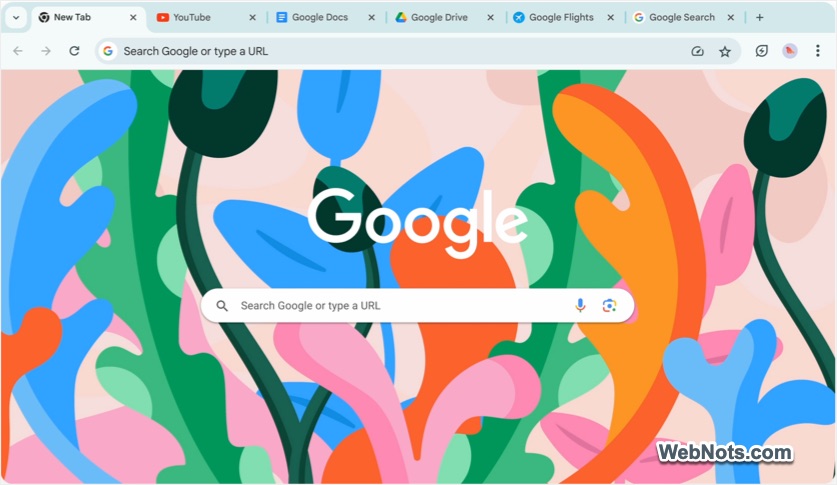
Analysts note that acquiring Chrome could “reset the competitive race overnight” by giving Perplexity control over “the front door to the internet,” including vast amounts of user data for training AI models. 0 With Chrome boasting over 3 billion users and a ~60% market share globally, the acquisition would provide Perplexity with unparalleled scale to challenge incumbents like Google and OpenAI in the AI search wars.
Strategic Fit: Scaling AI Search and Innovation
Perplexity’s core business is AI-powered search, which delivers conversational answers with citations rather than traditional link lists. The company has grown rapidly, handling over 780 million queries in May 2025 alone, but it lacks the distribution muscle of established players. Owning Chrome would change that, enabling Perplexity to embed its AI directly into the browser, baking in features like AI-generated summaries, task automation, and personalized experiences.
This move aligns with broader industry trends where browsers are regaining prominence as gateways to AI-driven search and data. As users shift toward chatbots for answers, controlling the browser means owning prized user behavior data essential for refining AI models. Perplexity, backed by investors like Nvidia and SoftBank, sees Chrome as a way to leapfrog competitors. The offer, funded by unnamed venture funds, exceeds Perplexity’s $18 billion valuation but falls short of some estimates valuing Chrome at $50 billion or more.
Moreover, the bid builds on Perplexity’s history of audacious plays, including a $50 billion offer for TikTok’s U.S. operations earlier this year. Other suitors, like OpenAI and Yahoo, have expressed interest in Chrome, highlighting its strategic value amid antitrust scrutiny. However, Google has resisted divestiture, arguing it would harm innovation and users, and plans to appeal any forced sale.
Perplexity’s Own Comet Browser
Perplexity isn’t waiting for Chrome to innovate; it launched its own AI-powered browser, Comet, in July 2025, as a testing ground for its ambitions. Comet, also built on Chromium, integrates Perplexity’s AI engine to create a “browser that thinks with you,” automating tasks and providing context-aware assistance. It’s designed to handle everything from summarizing emails and managing calendars to shopping, researching, and even solving coding problems.
Initially available to Perplexity Max subscribers ($200/month), Comet is expanding via waitlist and partnerships, such as with India’s Bharti Airtel for free Pro access to millions. Acquiring Chrome would supercharge Comet’s vision, allowing Perplexity to scale these features to billions while integrating them natively.
Challenges and Broader Implications
Despite the allure, hurdles abound. Google is unlikely to sell voluntarily, and appeals could drag on for years. Perplexity’s bid may undervalue Chrome and could be seen as a marketing stunt to influence the judge or spotlight Comet. Ethical concerns, like AI hallucinations in automation, persist, as do questions about job displacement from agentic tools.
Ultimately, Perplexity’s offer underscores a shift toward AI-first browsing, where tools like Comet anticipate needs and automate the mundane. If successful, it could democratize AI access and foster competition; if not, it highlights Perplexity’s aggressive push to redefine the web. As the antitrust saga unfolds, the future of browsing hangs in the balance.


