AI apps are dominating the charts in both the Apple App Store and Google Play Store. It’s not just the big names like ChatGPT, Google Gemini, and Perplexity. There’s a surge of AI tools for everything from note-taking and photo enhancement to therapy-style conversations and study support. While some of these apps are genuinely useful and impressive, most are rushed to market with one primary goal: collecting your data. So, before you hit “install” on the next trending app, here is what you need to know about the data privacy risks hiding behind those sleek interfaces.
The Core Issue: You are the Product
AI systems are built on Large Language Models (LLMs) that are trained on massive datasets. Your ongoing interactions are valuable for these models to improve. While many apps allow you to theoretically opt out of data training, recent events show a clear pattern: AI apps often collect more data, retain it longer, and share it more broadly than most users realize.
You find a fun AI app that can turn your photos into Renaissance paintings. What’s the first thing you do?
- It looks so cool, download it immediately!
- Check the price, and if it’s free, download it.
- Look at who the developer is and quickly skim the permissions.
- Read the privacy policy and check the developer’s website before downloading.
If you chose anything other than D, this article is for you!
Let’s break down what’s happening and, more importantly, what you can do about it.
1. AI Apps Often Request Deep System Access
Unlike a simple app, AI tools often ask for permissions to your microphone, camera, contacts, and location. For example, an AI transcription app might request continuous microphone access, and a writing assistant might ask for full keyboard access, meaning it could technically see everything you type, including passwords.
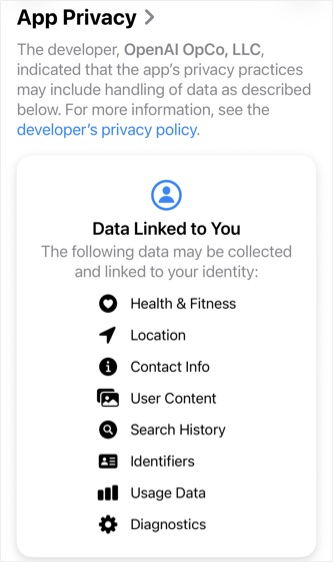
Before you grant access, ask yourself the followings:
- Does a photo enhancer need access to my microphone?
- Does a note-taking app need my precise location?
- Does a writing assistant need full access to my keyboard?
- Does this app need access to my contacts?
If the answer isn’t an obvious “yes”, it’s a warning sign.
2. Your Private Conversations May Not Be Private
Many AI chat apps process your data in the cloud. This means your messages are sent to remote servers, where:
- They may be stored for “quality control” and safety monitoring.
- Human reviewers in different parts of the world could potentially access anonymized chats.
- Your data can be used to train future versions of the AI.
If you’re discussing legal issues, health concerns, financial details, or confidential work documents, you should assume those inputs may be stored somewhere beyond your device. Even when data is “anonymized”, re-identification risks remain if datasets are large and detailed.
3. Biometric Data is a Growing Concern
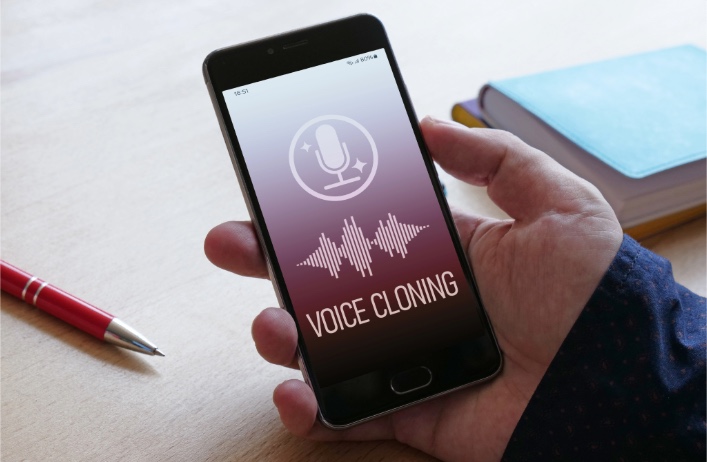
Apps that use voice cloning and facial enhancement are among the fastest-growing categories. Unlike a password, your voice and face are biometric identifiers, you can’t reset them if they’re compromised. Imagine an app that clones your voice. It sounds fun, but:
- How long is that voice sample stored on their servers?
- Is it encrypted?
- What happens to that data if the company gets acquired or goes bankrupt?
Most privacy policies are vague on these points.
4. Data Brokers and Third-Party Sharing
Free AI apps often make money through advertising or analytics partnerships. Even without your name, your Device ID, IP address, and behavior patterns create a unique digital fingerprint that can be tracked across the web.
- Many apps integrate third-party tracking SDKs.
- Behavioral data may be shared with advertising networks.
- Usage patterns can contribute to profiling systems.
Over time, this data can feed targeted advertising systems or cross-app tracking. This doesn’t mean every AI app is selling your data. But it does mean you should read beyond the marketing promises and look specifically for the following vague statements in their privacy policy:
- We may share data with trusted partners.
- We use third-party analytics services.
- Data may be transferred internationally.
Those phrases matter.
5. The Rise of Fake and Malicious AI Apps
Cybercriminals are exploiting the AI hype to distribute malware and run scams. Here are some popular security threats you need to know:
- Fake AI Apps: Look-alike apps mimicking ChatGPT or Midjourney that are actually designed to steal your login credentials.
- Malware in Disguise: “AI photo enhancer” or “AI wallpaper” apps that contain hidden malware to bombard you with ads or steal data.
- Phishing Apps: Apps designed to look like legitimate AI tools that prompt you to enter your credit card or personal info.
Some fake apps use nearly identical logos and names to legitimate AI platforms. Red flags include:
- Very few downloads with an explosion of fake 5-star reviews in a short time.
- A recently created developer account with a generic name.
- Overly generic app descriptions.
Always verify the official developer website before installing a new AI app.
6. Subscription Traps and Aggressive Billing
Another growing issue is subscription creep. Many AI apps advertise as free but require payment after a short trial, even some apps charge weekly fees instead of monthly ones. For example, a $7.99 weekly subscription sounds small but adds up to over $400 a year, more than most premium software. Here are the misleading practices followed by some AI apps:
- Advertised a “free” trial but required immediate payment details.
- Made the cancellation process extremely difficult, requiring emails to a non-responsive address.
- Sent “urgent” notifications implying the user would lose access unless they upgraded, creating false urgency.
So, before downloading, always scroll down in the app store listing to the “In-App Purchases” section to find the price range and billing cycle. If it says something like $0.99 – $399.99, you know there’s a potential trap.
7. Children and Teen Users are Especially Vulnerable
AI companion apps and homework helpers are incredibly popular with younger users. But minors often share personal information freely and may not grasp the long-term implications. But most AI apps lack strong age verification and collect data from young users without clear parental consent mechanisms.
Parents should regularly review installed apps, permission settings, privacy controls, and in-app chat history on their children’s phones to make sure appropriate content sharing and usage is in place.
Safety Checklist to Protect Yourself
You don’t have to avoid AI entirely, but you need to be smart about it. Every time you download a new AI app, run through this quick list:
- Install only what you truly need.
- Check the developer’s reputation and history.
- Read the privacy policy sections on data storage and sharing.
- Deny permissions that aren’t essential.
- Disable microphone and camera access when not actively using the app.
- Avoid uploading sensitive documents or personal ID information.
- Use strong, unique passwords for AI app accounts.
- Regularly review and delete apps you no longer use.
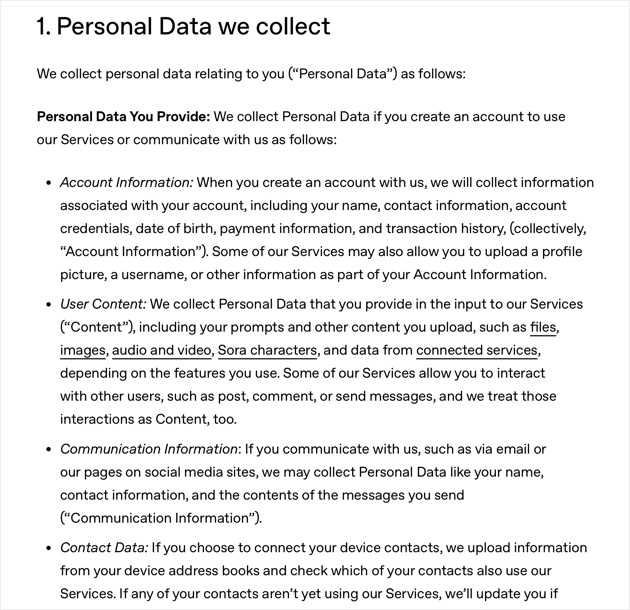
Also, ask yourself one simple question: If this data were leaked tomorrow, would I regret sharing it? If the answer is yes, don’t upload or discuss it.
Final Thoughts
AI apps can be powerful tools and help you write faster, learn quicker, organize better, and create more easily. But convenience should not replace caution. Many privacy risks are buried in long policies or vague permission requests. So, think about what you’re giving away before installing the next trending AI app by checking the permissions, pricing, and the company. A few minutes of scrutiny now can prevent long-term privacy problems later.