You will be surprised to see around 70% of the sites available on the internet are simply content sites. They don’t sell any products neither offer services. You may wonder how and why they run a site (or blog in more appropriate term). The answer is they earn more money than the real product and services sites with affiliate links and advertisements. It is very easy to start a blog with the content management systems like WordPress. But the problem starts when you realize the bounce rate is very high and time on site is very low.
Bounce Rate
Bounce rate is the number of visitors leaving your site after viewing a single page expressed in percentage. If a user visits one page and exits your site, then the bounce rate is 100%. This is an indication of how healthy is your site regardless of how popular it is. High bounce rate is a common problem for all sites purely relying on content. Search engines may love your quality content and you can get high ranking in search results. But you should still have a clear strategy to retain users on your site.
1. Call to Action
Use attractive call to action inside your articles. This will help users to navigate to the popular articles and read more content. One of the good examples of call to action is to insert the link of your popular downloadable product. So that users will click on the call to action button, navigate to the product page and download the content after registration.

This will drastically reduce the bounce rate and improve the time on site. Also, based on the quality, users will leave good review, comment and make the product more popular.
2. Embed Videos
Create small instructional videos and embed inside your articles. For example, when you write about WordPress, it is a good idea to insert a video explaining it in detail. If you can’t create your own videos, then focus on embedding quality videos from relevant sites.
3. Offer Site Search
You will need the help of search engines till certain stage of growth. After that, it all depends on how you retain the users on your site. Ensure to offer a search box in a prominent place on your site. This will help users to get the needed content within your site without going to search engine for each time.

If your content management system does not offer search box integration, then use Google Custom Search box. This is a free option along with the opportunity to make money with your content from AdSense.
4. Use Related Articles
Similar to call to action buttons, related articles improve the clicks by offering all relevant articles on your site. When your site grows in size, it will be a real challenge to provide all related content within the article. So, you need a dedicated related article section, most probably at the end of each article. There are many free and paid services available for this purpose like Taboola, Outbrain, etc. This will not only offer related articles in elegant manner but also will help you to make money.
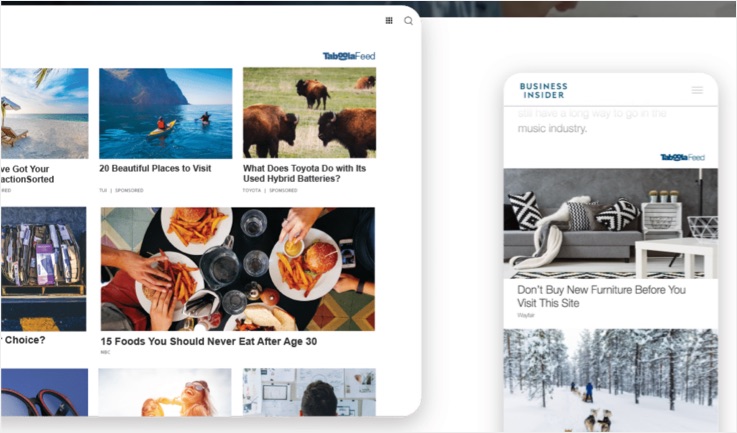
Most importantly, using third party solutions will reduce the database queries and improve the page loading speed.
5. Creating a Community
When you have a long term vision of running a site, it is important to start building a community. This can be done two ways. One is allowing users to comment on your articles and start gathering the audience slowly. Second is to start a dedicated forum and build a bulletin board for discussions.
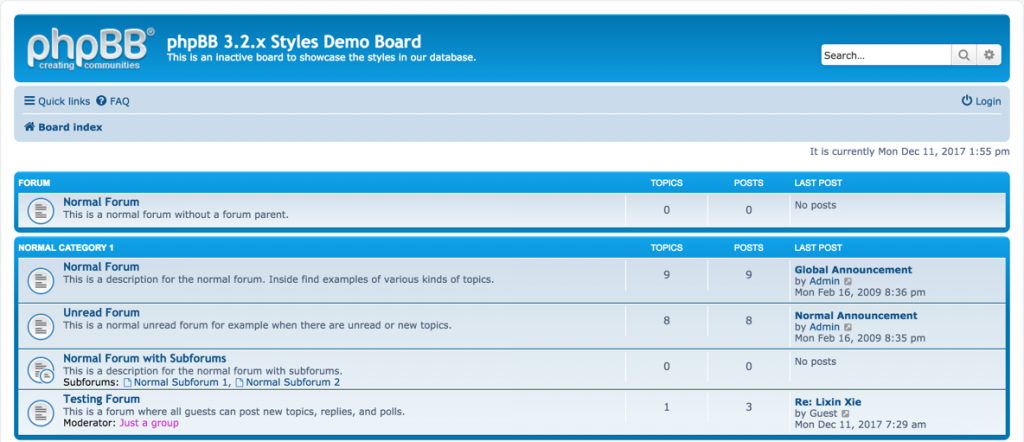
Both options are very difficult at the beginning. But over the period of time, your community will start growing slowly and improve the bounce rate and time on site.
How to Measure Bounce Rate?
The answer is simple and free. Google Analytics is the great way to measure different parameters of the traffic to your website. Create a free account and install a piece of code on your site to get the tracking data in your Analytics account. Google measures the bounce rate combined with the engagement rate. When a visitor engaged less than 10 seconds on your site without triggering any other action or visiting another page, then the bounce rate is calculated as 100% and engagement rate as 0%.
There are different reports to measure bounce rate and session time for each day. Also, you can create goals to measure the performance of your call to action buttons, page views, etc. Check this official Google documentation on how to add bounce rate and engagement rate metrics in reports.
If Google Analytics is very difficult for you, then use any other alternate tool to check the bounce rate. But make sure you can generate reports and check the historical performance.
Conclusion
Fix target for the bounce rate and start working on to improve it. You can use one of the above mentioned ways for certain time and measure the improvements using Google Analytics. Once you achieved the target bounce rate, it will be easy to maintain the same. Remember, 70 – 80% of bounce rate is very common for content sites. So, set your target in a realistic manner.