Few years back, in 2023, Adobe withdrawn the bid to acquire Figma due to regulatory pressure. And this time, on November 19, 2025, Adobe announced that it will acquire the popular digital marketing company Semrush. Though this deal is also subjective to regulatory and Semrush shareholder’s approval, this will have a definitive impact on SEO industry (unlike Figma deal) if it goes through. By bringing one of the last major independent SEO platforms into its Experience Cloud empire, Adobe is signaling that search marketing is no longer just about Google rankings, it’s about owning visibility everywhere consumers look, including inside generative AI answers.
What Semrush Actually is (and What Adobe will Get)?
Semrush is not a simple SEO tool for optimizing meta tags and content, it’s a NYSE listed company and also acquired plenty of small companies in the past few years. The core Semrush platform comes with 55+ tools used by 10+ million marketers for GEO (Generative Engine Optimization), keyword research, rank tracking, site audits, backlink analysis, competitor spying, content optimization, PPC research, and local SEO. In addition, Semrush owns (through acquisition) Backlinko (an authoritative SEO blog), Kompyte (AI-powered competitive intelligence integrated into Semrush .Trends), Third Door Media (publisher of Search Engine Land), Brand24 (brand monitoring platform), and Ryte (SEO and user experience management platform).
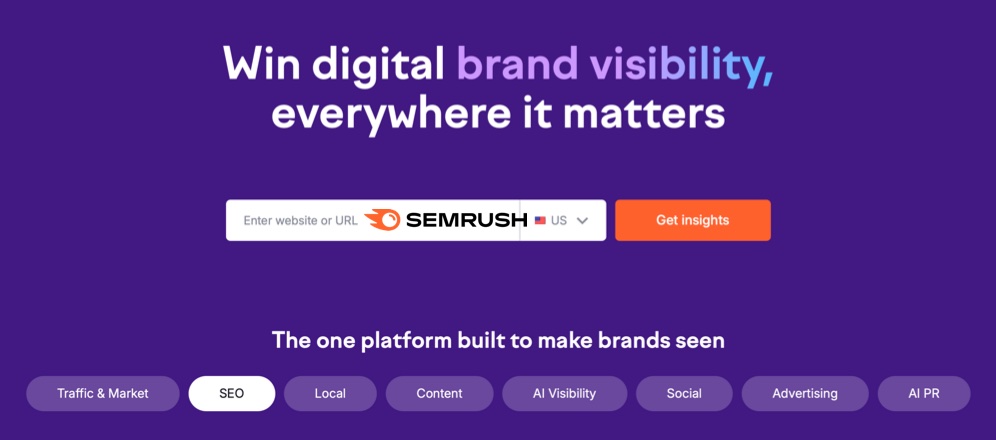
So, Adobe’s deal will bring all these tools and under them and make them a strong player in brand visibility, SEO and GEO industry. Here is what Adobe is planning to pay for that deal:
- Adobe will pay full cash of approximately $1.9 billion for the purchase.
- This is $12.00 per share for Semrush, which is ~77% premium over Semrush’s closing price of $6.89 on November 18, 2025. This means, the deal will almost double Semrush’s market capitalization overnight.
- If everything goes well, the deal will be closed by mid of 2026 and Semrush will work independently until that time.
5 Biggest Impacts on SEO & GEO Landscape
Moving an independent public company like Semrush into Adobe’s enterprise-focused Experience Cloud, will create lot of impact in the industry’s landscape.
1. End of the “Big Three” Independent SEO Suites
Semrush is one of the three dominant SEO platforms alongside Ahrefs and Moz). For years the market has been Ahrefs, Moz and Semrush – all aggressively priced for agencies and SMBs. This acquisition leaves only Ahrefs as a truly independent pure-play SEO tool with comparable data depth (Moz is owned by Ziff Davis who also owns popular publications like CNET, ZDNET, PC Mag and Mashable). It is a big question whether Semrush will remain as accessible and aggressively priced for freelancers and small-to-medium businesses. In case Semrush pivots harder to Adobe’s enterprise pricing post the deal, small agencies and freelancers need to consider about migrating to low-cost platforms.
2. Generative Engine Optimization (GEO) Goes Enterprise
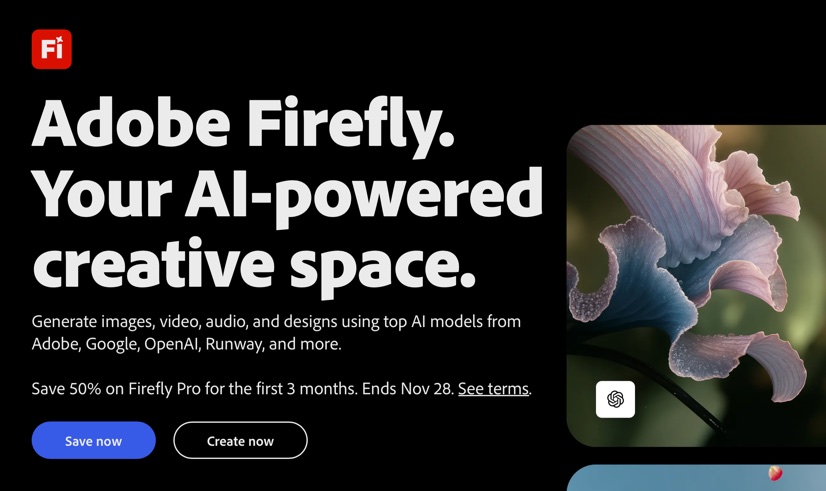
Semrush was the first major platform to ship dedicated GEO tools, tracking brand mentions inside ChatGPT, Perplexity, Gemini, and Claude responses, plus “answer engine” ranking reports. Adobe’s Firefly, Sensei GenAI, and Agentic AI initiatives now have direct access to Semrush’s proprietary LLM-citation data. You can also expect rapid rollout of one-click GEO optimization inside Adobe Experience Manager and GenStudio, something no other enterprise suite currently offers. Marketers may soon optimize content for both Google and AI overviews from a single dashboard.
3. Enterprise Marketers Get an Unfair Advantage
Adobe already powers analytics, personalization, and content workflows for many Fortune 500 brands. Pairing Semrush’s keyword, backlink, and rank-tracking data with Adobe Analytics, Adobe Target, and Adobe GenStudio will create the most comprehensive end-to-end enterprise marketing stack ever built. Large brands will likely gain unprecedented ability to connect content performance directly to revenue in real time. That means smaller players simply won’t have real-time content performance optimization features. The gap between enterprise and indie SEO is about to widen dramatically.
4. Pricing and Platform Restructuring
Adobe’s historical pattern after acquisitions (like Marketo and Magento) indicates the clear product strategy roadmap:
- Higher pricing or forced bundling into Experience Cloud subscriptions.
- Slower feature velocity as roadmap shifts to enterprise needs.
- Possible sunsetting of the most aggressive SMB/freelancer plans (Backlinko’s future is also uncertain whether it will stay as a free educational resource or become gated inside Adobe’s ecosystem).
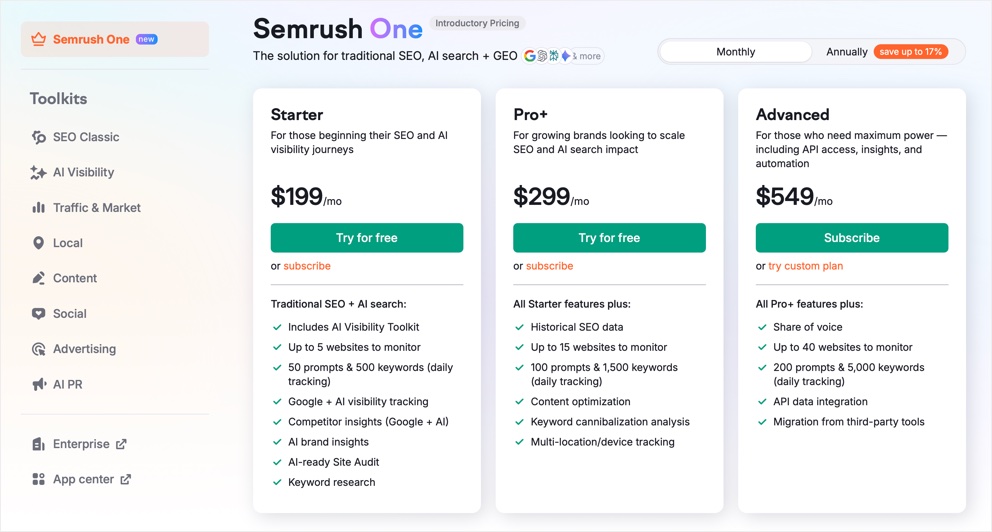
Also, Semrush has historically been very open with data methodology; enterprise owners like Adobe sometimes restrict that leading to reduced transparency.
5. Google Loses a Little More Leverage
Brands will gain sophisticated tools to measure and optimize AI traffic separately from Google organic. When enterprises can finally quantify how much revenue comes from being the brand an LLM cites, they’ll invest accordingly. This may reduce Google’s monopoly on search budgets.
Bottom Line for SEO & GEO Professionals
For the SEO community, Adobe’s deal marks the end of an era of Semrush as an independent platform and the beginning of SEO tools being absorbed into the big-tech enterprise ecosystem. This is good news if you’re an enterprise marketer already on Adobe’s stack. If you’re an agency, freelancer, or SMB reliant on Semrush’s aggressive pricing, start looking for alternatives like Ahrefs, Sistrix, SE Ranking, Mangools, or any other SEO/GEO tool now.