Modern marketing relies on fast, visually engaging communication that captures attention instantly. As consumers are constantly exposed to advertisements and promotional messages, traditional static signs often struggle to make a lasting impact. In contrast, digital signage offers a dynamic and flexible way to deliver content that can be updated in real time. Not only does this help businesses keep their messaging relevant, but it also reduces the need for frequent printing and paper waste.
As a result, digital signage has become an essential marketing tool for organizations looking to strengthen customer engagement and improve communication. This article explores how a reliable digital signage provider can help businesses achieve stronger marketing results.
What is Digital Signage?
Digital signage is a modern communication system that uses digital displays such as LCD, LED, and interactive screens to present multimedia content, including images, videos, animations, advertisements, announcements, and real-time information. Today, these displays can be found in retail stores, restaurants, corporate offices, educational institutions, healthcare facilities, transportation hubs, and public spaces. By delivering dynamic, engaging, and easily updatable content, digital signage allows organizations to communicate more effectively with their audiences.
1. Better Brand Visibility Across Locations
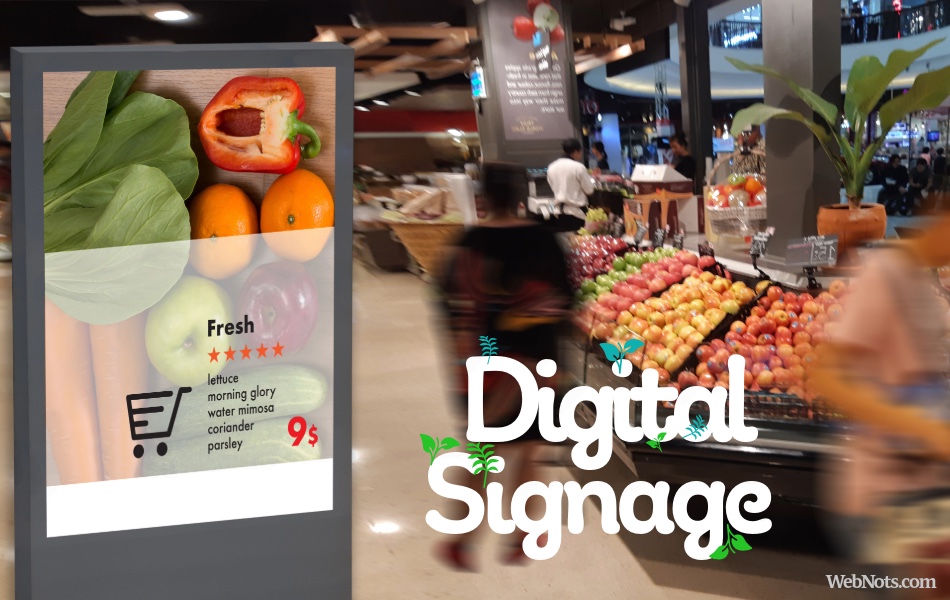
One of the greatest advantages of digital signage is its ability to maintain consistent branding across multiple locations. Rather than relying on separate printed materials for each site, businesses can display the same high-quality content on every screen with minimal effort.
- Each store location can show the same high-quality message without extra effort.
- Customers see bright, clear content that looks professional and current.
- This consistency builds trust because people recognize the same look from one store to the next.
When a brand appears bold and unified across all sites, it stays in the mind of the public longer.
2. Store Communication Through Digital Screens
Beyond branding, digital signage also improves day-to-day communication within a business. Digital screens transform store walls, reception areas, and employee spaces into valuable information hubs that deliver important updates instantly.
- Employees receive instant updates about sales, safety rules, or schedule changes.
- Shoppers learn about new arrivals or special prices the moment they walk in.
- Front counters can display loyalty program details or product instructions without paper flyers.
This direct flow of information keeps everyone on the same page and reduces confusion.
3. Visual Marketing for Product Awareness
Digital signage plays a major role in product promotion also. Since visual content is processed much faster than text, customers can quickly understand product features, benefits, and use cases through engaging displays.
A short video or high-resolution image can demonstrate how a product works far more effectively than written descriptions alone. Furthermore, digital displays make it easy to showcase multiple products, compare features, and update content regularly without reprinting marketing materials.
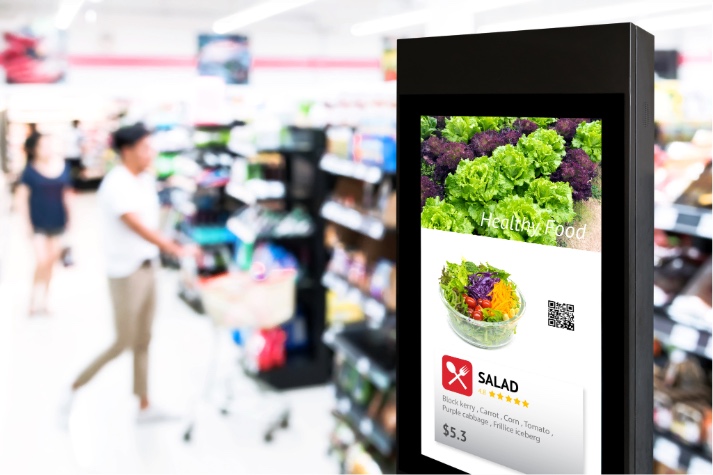
Here are several ways visual marketing increases product awareness:
- Digital screens show a product in use, helping answer common customer questions.
- Rotating content highlights multiple products within a short period.
- Bright, high-quality visuals attract attention to new products immediately.
As a result, businesses can educate customers more effectively while increasing interest in featured products.
4. Customer Attention Through Dynamic Displays
While strong visuals attract interest, dynamic content helps maintain it. Unlike static posters that remain unchanged for weeks or months, digital displays can automatically adjust content based on the time of day, customer traffic, or promotional schedules.
For example, a coffee shop may promote breakfast items in the morning and switch to cold beverages later in the day. Because customers regularly see fresh content, they are more likely to notice and engage with the display during repeat visits.
Benefits of dynamic displays include:
- Movement naturally attracts attention faster than static signage.
- Real-time updates allow businesses to respond quickly to weather changes or local events.
- Bright visuals and strong contrast help displays stand out.
- Short video loops often maintain attention longer than printed advertisements.
Therefore, dynamic signage creates a more engaging customer experience while increasing the effectiveness of promotional messaging.
5. Multi-Location Campaign Management
As businesses grow, managing marketing campaigns across multiple locations becomes increasingly complex. Fortunately, digital signage software simplifies this process by allowing organizations to distribute content to multiple screens simultaneously.
While corporate teams maintain control over the primary message, local managers can still customize certain content to address regional needs or store-specific promotions. This combination of centralized control and local flexibility helps businesses maintain brand consistency while remaining relevant to individual audiences.
As a result, nationwide campaigns can be executed efficiently without sacrificing local engagement.
6. Data-Driven Marketing Decisions
Another significant advantage of digital signage is its ability to support data-driven marketing strategies. Unlike traditional advertising methods, modern signage platforms provide valuable insights into content performance and audience engagement. By analyzing these insights, marketing teams can identify which messages perform best, determine optimal display times, and refine future campaigns based on actual customer behavior.

Key marketing insights a digital signage provider may offer include:
- Content Performance Across Different Locations: Businesses can compare results between stores and regions to identify successful messaging strategies.
- Customer Response to Specific Promotions: Teams can evaluate which promotions attract the most attention and engagement.
- Peak Engagement Times During the Day: Businesses can schedule important content during periods of highest customer activity.
- Trends That Help Improve Future Campaigns: Historical data supports more effective planning and audience targeting.
Consequently, businesses can make more informed decisions, improve marketing performance, and maximize their return on investment.
7. Cost Efficiency Compared to Traditional Advertising
In addition to improving marketing effectiveness, digital signage can significantly reduce ongoing advertising costs. Traditional printed materials often require replacement whenever promotions, pricing, or announcements change. Digital displays eliminate many of these recurring expenses by allowing content updates through centralized software. As a result, businesses can reduce spending on printing, shipping, installation, and labor while responding more quickly to changing marketing needs.
Areas where businesses save money include:
- Lower printing and material costs.
- Reduced labor for replacing physical signage.
- Faster campaign updates without production delays.
- Greater flexibility from a single display serving multiple purposes.
Over time, these savings make digital signage a cost-effective investment for businesses that frequently update promotional content.
8. Enhanced Customer Experience and Engagement
Ultimately, successful marketing depends on creating positive customer experiences. Digital signage contributes to this goal by presenting useful, relevant, and visually engaging information in an accessible format. Interactive displays can guide visitors through product selections, answer common questions, and provide real-time updates. Meanwhile, videos, promotions, and announcements create a more engaging environment than traditional static signage.
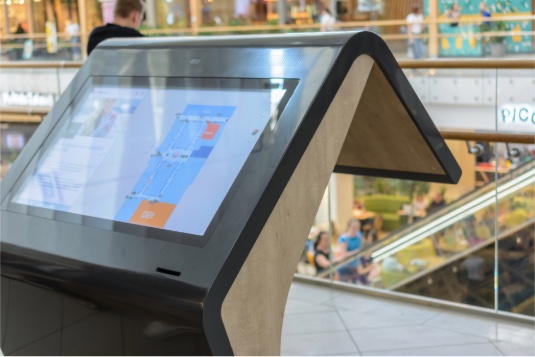
This increased engagement can strengthen customer relationships, encourage repeat visits, and contribute to long-term business growth. Features that improve customer engagement include:
- Interactive content that encourages participation.
- Product demonstrations through short videos.
- Real-time updates for promotions and announcements.
- Easy access to helpful information while shopping.
Final Thoughts
Digital signage has become a powerful tool for businesses seeking to improve communication, strengthen branding, and increase customer engagement. By delivering dynamic content that can be updated instantly, organizations can respond more effectively to changing customer needs and market conditions.
To get started, businesses can begin with a single display in a high-traffic location and measure customer interaction and engagement. Once results are established, expanding to additional locations becomes much easier and more cost-effective. With the right digital signage provider, businesses can build a scalable marketing strategy that delivers measurable results over time.