Google has long dominated the search engine landscape, capturing an overwhelming majority of the global market share. While its algorithm, speed, and integration with other Google services are impressive, concerns about privacy, data collection, and filter bubbles have prompted many users to explore alternatives. In this article, we’ll discuss the top 10 alternatives to Google Search, their unique features, and why switching to them might be a good decision for specific users.
Why to Switch Google?
Before diving into the alternatives, it’s important to understand the reasons behind exploring other search engines:
- Privacy Concerns – Google collects vast amounts of user data to personalize search results and target advertisements. For privacy-conscious individuals, this level of tracking is unsettling.
- Search Bias – Promoting sites like Reddit with paid contracts and allegations on US election interference are clear evidence that Google search results are biased.
- Advertising Overload – Many users are frustrated by the prominence of ads in Google’s search results, which often overshadow organic content.
- Data Monopoly – Google’s dominance on both publishers and advertisers raises concerns about its control over information flow and the potential for bias. US Department of Justice (DOJ) also recently ruled that Google is a monopoly in search engine market.
- Support for Independent Platforms – By exploring alternatives, users can support smaller companies or organizations with unique perspectives and approaches.
Here are the top 10 alternatives for Google search engine you can consider. Before proceeding, do not confuse search engines with browser apps – they can be different or same. For example, Chrome browser uses Google as a search engine while DuckDuckGo uses the same DuckDuckGo search engine. However, Firefox does not offer any search engine on their own and you should use Google, Bing or other search engine with Firefox.
It is possible to change the search engine in Chrome – from Google to Bing for example. However, If Google tracking your activities is your primary concern, then you should change the browser app also. All search engines listed in this article can be accessed through their website on any browser app (both mobile and desktop). However, some services like Qwant and Startpage also offer browser extension to make them as a default search engine. So, you should install the extension to make things simpler.
1. ChatGPT Search Mode (SearchGPT) – Cool New Option
This is a brand-new option as OpenAI introduced the search mode in ChatGPT on 31st October 2024 (also called SearchGPT). Though you will still get a complete answer (scraped from various sources), there are clear citations. Also, you can click on the sources to view the top search results and visit those pages to read mode.

Key Features:
- You can simply toggle between search and conversation modes using the same interface (at least with the current setup).
- Results are organized and not seems to be biased.
Why Switch:
If you are already using ChatGPT as part of your personal or professional routine, then search mode will be a cool alternative to congested Google search.
2. DuckDuckGo – Best for Privacy Enthusiasts
DuckDuckGo is a privacy-focused search engine that does not track users or store their search history. Its clean interface and commitment to unbiased search results make it a popular choice for those prioritizing anonymity.

Key Features:
- Does not track IP addresses or personal data.
- Provides unfiltered search results.
- Ad blocker and tracker protections are available by default.
Why Switch:
Ideal for users who want a straightforward search experience without being tracked or targeted with ads.
3. Bing – Best for Rich Visual Search
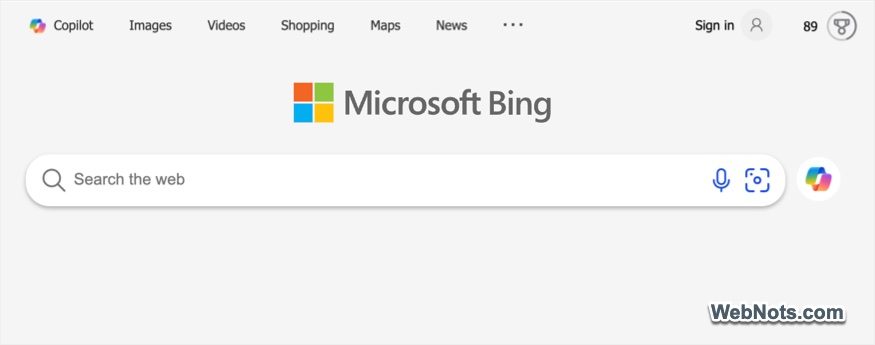
Owned by Microsoft, Bing offers a visually appealing interface and several unique features that differentiate it from Google. Its deep integration with Microsoft products makes it particularly useful for Windows users. Also, you can optionally use Copilot AI assistant to use conversational mode.
Key Features:
- Rewards system through Microsoft Rewards.
- Excellent video and image search capabilities.
- Rich search result previews and summaries.
Why Switch:
Great for users who want additional perks (e.g., rewards for searching) and better visual content search. Also, using a single Microsoft account will make maintenance tasks simpler for users.
3.1. Yahoo! Search – Best for Long-Time Internet Users
Yahoo! Search has been a staple in the search engine market for decades. It is now powered by Bing but offers a familiar interface and additional integrations with Yahoo’s ecosystem. We added Yahoo! as 3.1 subsection as it uses same Bing search engine.

Key Features:
- Integration with Yahoo Mail, News, and Finance.
- Rich multimedia results.
- Trusted by long-time internet users.
Why Switch:
Suitable for users who appreciate Yahoo’s legacy and integrated services.
4. Brave Search – Best for Decentralized Search
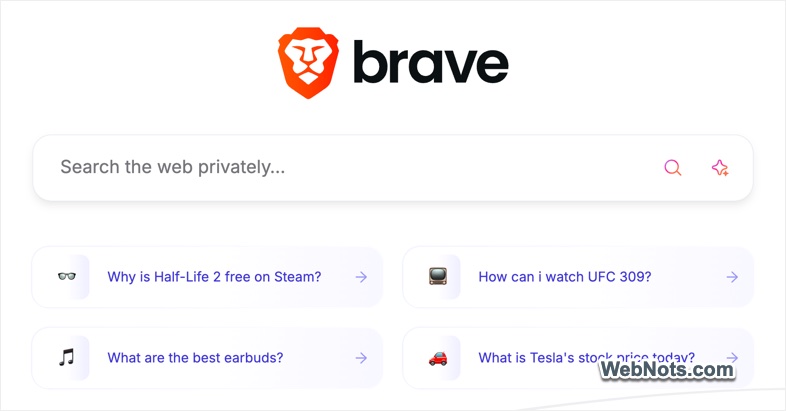
Launched by the creators of the Brave browser, Brave Search is a privacy-focused search engine that operates independently without relying on big tech indexes.
Key Features:
- Fully private and independent search index.
- Ad-free experience in the premium version.
- Transparency in ranking and search algorithms.
Why Switch:
Perfect for those who value independence from big tech and want to support decentralized platforms.
5. Ecosia – Best for Environmentally Conscious Users
Ecosia stands out as a search engine that plants trees with its ad revenue. By simply using Ecosia for your searches, you can contribute to reforestation efforts worldwide.

Key Features:
- Transparent reporting on revenue and tree-planting projects.
- Powered by Bing for search results.
Why Switch:
Perfect for environmentally conscious users who want to make a positive impact with their searches.
6. Qwant – Best for European Users
Based in France, Qwant is a privacy-first search engine that adheres to stringent European data protection regulations (GDPR). It’s a popular choice among European users who value local alternatives.

Key Features:
- No tracking or personalized ads.
- Categorized search results (e.g., web, news, social).
- Focus on a neutral search experience.
Why Switch:
Ideal for users in Europe or those who prioritize data protection compliance.
7. Startpage – Best for Results Without Tracking
Startpage provides search results while stripping away the tracking and personalization features. It’s essentially Google without the privacy concerns.

Key Features:
- Private search without any tracking, profiling or history.
- Block trackers and personalized ads.
- Offers anonymous view by hiding your details.
Why Switch:
Great for users who appreciate accuracy but don’t want to be tracked.
8. Swisscows – Best for Family-Friendly Searches
Swisscows is another privacy-focused search engine that specializes in providing family-friendly search results. It filters out inappropriate content, making it an excellent choice for households with children.

Key Features:
- Emphasis on privacy and data security.
- Content filtering to block inappropriate material.
- Innovative semantic search for improved relevance.
Why Switch:
Ideal for parents or educators looking for a safe search environment.
9. Yandex – Best for Russian Content
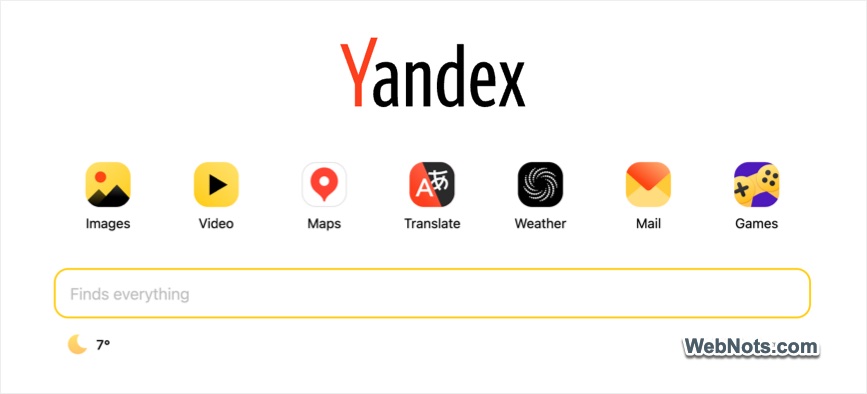
Yandex is Russia’s most popular search engine, offering a suite of services like Google’s. It’s a powerful tool for accessing content from Russian and Eastern European sources. You can still rely on Yandex for English searches as well.
Key Features:
- Strong performance for Cyrillic-language searches.
- Additional tools like maps, translation, and cloud storage.
- Offers personalized and non-personalized search modes.
Why Switch:
Ideal for users researching Russian content or exploring regional alternatives.
10. Baidu – Best for Chinese Content and Market Insights
Baidu is China’s largest and most widely used search engine, dominating the market in the region. It’s optimized for Chinese-language content and provides various services tailored to users in China. For businesses and individuals looking to access Chinese markets or information, Baidu is an indispensable tool. Unlike other regional search engines mentioned above, Baidu is primarily meant for local Chinese users and not for English searches.

Key Features:
- Specialized in Chinese-language searches.
- Integrated services like maps, news, and multimedia.
- Deep understanding of the local market, offering insights and trends.
Why Switch:
Ideal for users focused on Chinese content or conducting research on the Chinese market. It’s especially useful for businesses aiming to expand their presence in China.
Choosing Right Search Engine
When considering a switch, take the following factors into account:
- Privacy Needs – If privacy is your top priority, DuckDuckGo, Brave Search, or Startpage are excellent options.
- Geographic Relevance – For European users, Qwant or Swisscows may be more relevant. Russian and Chinese users may prefer Yandex and Baidu respectively.
- Environmental Impact – Ecosia is the clear choice for users who want their searches to contribute to sustainability efforts.
- Search Quality – For users who still want Google-level results without tracking, Startpage is an ideal option.
- User Experience – Bing will be the best choice for combined usage with emails, word processing, AI, and other Microsoft tools.
Conclusion
Switching from Google doesn’t mean sacrificing search quality or usability. Each of these alternatives offers unique features tailored to specific needs, from privacy and sustainability to regional relevance and ad-free experiences. Whether you’re concerned about Google’s data practices, tired of filter bubbles, or simply curious about exploring other options, these search engines provide compelling reasons to make the change. By experimenting with these platforms, you can find one that aligns with your values and preferences while supporting innovation and diversity in the search engine market.