Every warehouse manager knows the frustration of a mismatched stock count. A product shows up in the system inventory yet remains invisible on the shelf. This single discrepancy triggers delays, lost sales, and dissatisfied customers. Traditional barcode scanning and manual audits leave too many visibility gaps. However, a RFID (Radio Frequency Identification) tracking software solves this puzzle by delivering real-time data without requiring a direct line of sight. In doing so, it transforms a chaotic guessing game into a precision-driven operation.
Overcoming Human Error and Hidden Stock
The foundation of this solution lies in how RFID differs from traditional methods. Manual inventory relies on workers to scan each item individually, leaving room for missed pallets or skipped rows especially during long shifts. Meanwhile, barcodes demand direct line of sight, rendering items tucked in deep bins or behind boxes completely invisible.
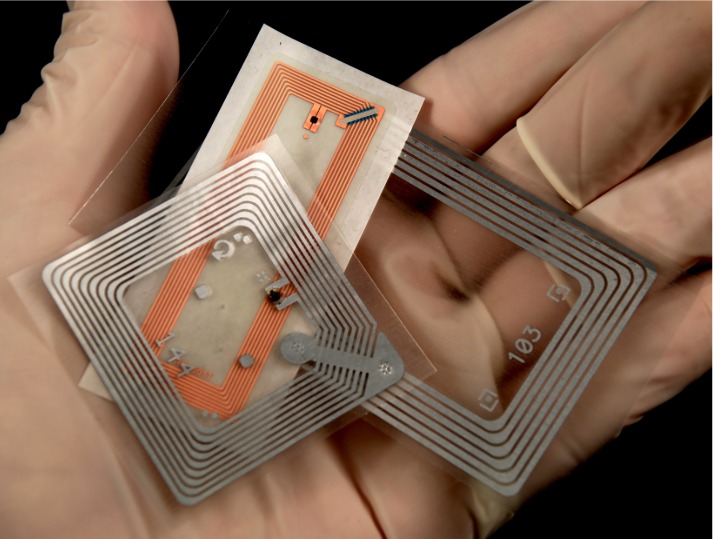
RFID tracking tags, in contrast, broadcast a unique signal that readers detect from several feet away. The software instantly collects these signals across hundreds of items at once, entirely removing guesswork. As inventory volume grows, this automated tracking prevents small mistakes from cascading into widespread operational issues.
Real-Time Visibility Without Disrupting Workflows
Building on this automated detection, RFID software updates inventory counts every time a tagged item passes a fixed reader. For instance, when a forklift moves a pallet through a doorway, the system logs the new location automatically. Warehouse staff never need to stop and manually scan anything. Instead, the software creates a live, dynamic map of every item, from receiving to shipping.
Managers can simply open a dashboard and watch stock levels change by the second. This immediate, uninterrupted data flow eliminates the outdated problem of relying on last week’s count for today’s urgent orders. This immediate access to inventory data helps teams to respond to shifting priorities with unprecedented agility.
Greater Accuracy from Receiving Through Storage
Inventory problems often originate before products even reach their assigned locations. When a shipment arrives, workers unload pallets and move inventory into storage; if a pallet ends up in the wrong aisle or is recorded incorrectly, that error follows the inventory throughout its entire lifecycle. RFID tracking software tackles this at the source by capturing data as products move through receiving areas.

Readers automatically detect tagged items and log their placement into storage, giving managers a clear, real-time view of exactly where each product enters the facility and where it is initially housed. This foundational visibility drastically reduces receiving errors and establishes a reliable baseline for all subsequent operations.
Streamlined Movement and Faster Searches
As inventory constantly travels (from receiving docks to storage racks, then to picking zones, and finally to packing and shipping stations) every transition presents an opportunity for misplacement. Fortunately, RFID records these movements autonomously, providing managers with a complete, auditable history of each product’s journey through the facility. This continuous tracking directly feeds into one of the warehouse’s biggest time-wasters: searching for lost goods.
When a product appears available in the system but is nowhere to be found, teams can quickly check its last detected location, narrow their search, and avoid hours of aimless walking. Instead of relying on memory or manual spot-checks, staff use verified data to locate items faster, significantly improving overall picking efficiency and reducing bottlenecks.
Greater Confidence in Shipping Accuracy
This seamless tracking flow naturally culminates at the shipping dock, the final opportunity to catch errors before products leave the building. Incorrect shipments lead to expensive returns, replacement costs, and damaged customer trust. RFID software adds a vital layer of verification during outbound operations; as tagged products move through shipping zones, the system automatically confirms that the correct items correspond to each order. If an inventory mismatch occurs, the software immediately alerts personnel, allowing them to rectify the issue on the spot. This validation process prevents costly mistakes and ensures a higher rate of accurate order fulfillment.
Fewer Surprises During Peak Seasons and Cost Savings
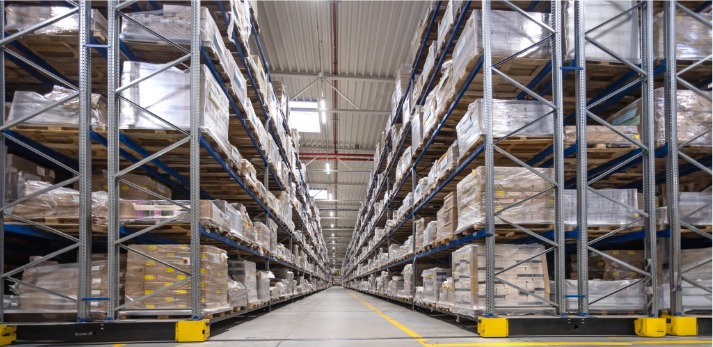
Beyond daily efficiency, this robust tracking provides a critical safety net during high-pressure periods like holiday rushes, when order volumes spike and temporary workers join the team. RFID requires minimal extra training; a new hire simply places a box near a reader, and the system records the move. The software proactively flags misplaced items before they cause delays, allowing leaders to catch errors in minutes rather than weeks.
This reliability turns potentially chaotic seasons into controlled, predictable operations. Moreover, by eliminating blind spots, RFID allows warehouses to trust their system and reduce expensive safety stock. With accurate, real-time counts, managers order only what they need and can identify slow-moving items that waste prime shelf space. Some facilities reduced their annual stock-count labor by 80 percent after switching to RFID, freeing staff to focus on fulfilling orders rather than hunting for lost products.
A Simple Shift That Protects Profits
Despite its advanced capabilities, moving from blind trust to verified data does not require a full warehouse rebuild. Companies simply attach RFID tags to existing pallets or individual products, mount readers on doorways, forklifts, or even drones, and integrate the software with their current warehouse management systems, all without a painful system overhaul.
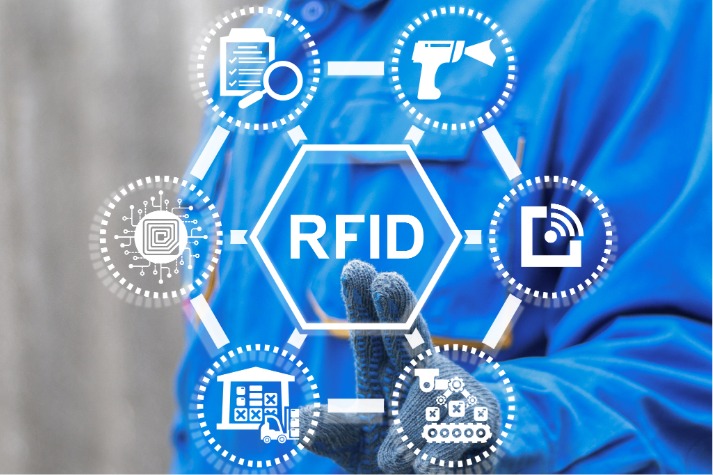
Employees adapt to the new workflow in a single shift because the process mirrors their daily routine. The result is a clear, uninterrupted view of every corner of the facility, from the front dock to the back corner, delivering measurable operational improvements without disrupting established activities.
Conclusion
Ultimately, RFID tracking software removes the dark zones where inventory gets lost or forgotten, replacing human guesswork with automated signals that never tire or look away. Warehouse teams gain renewed confidence in their numbers and greater speed in their daily tasks. The technology pays for itself through fewer rush orders, reduced safety stock, and consistently happier customers. When a warehouse sees every item as clearly as a map shows a street, that newfound clarity transforms a costly blind spot into a lasting competitive advantage.